


Avocado: Ghana’s next €2 billion export winAvocado: Ghana’s next €2 billion export win
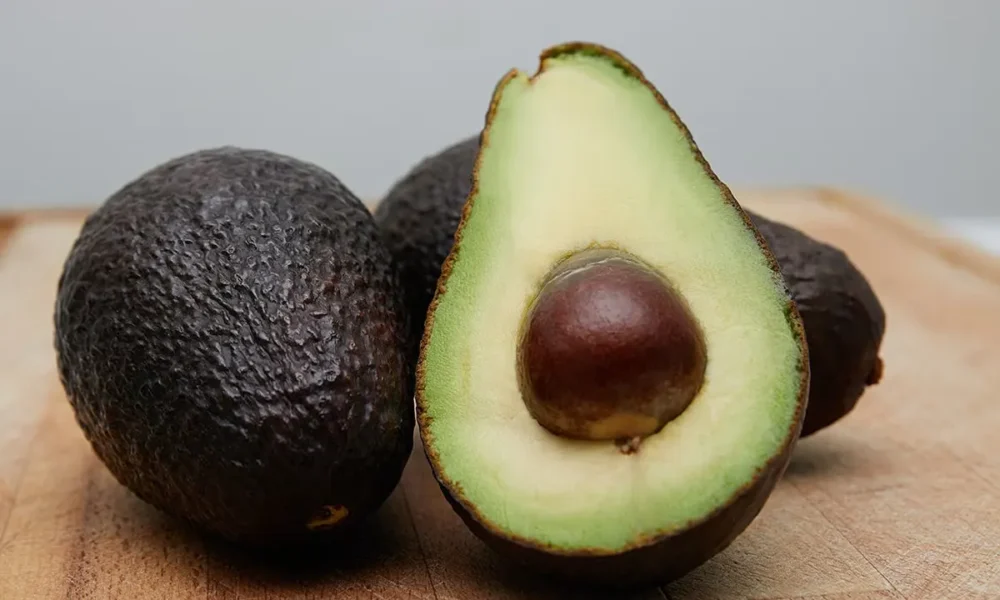
Ghana’s next major export opportunity may not come from another gold mine, oil field or traditional commodity boom. It may come from avocado.
Avocado offers Ghana more than a farming opportunity. It offers a test of whether the country has finally learned how to turn raw production into industrial wealth.
The old commodity trap
For decades, Ghana has produced raw commodities while other countries captured the greater value through processing, branding, manufacturing and global distribution. Cocoa remains the clearest example. Ghana produces one of the world’s most important cocoa beans, yet the larger value in chocolate, beverages, cosmetics and processed cocoa products is created elsewhere.
Gold, timber and crude oil have followed a similar pattern. Ghana produces. Others refine. Others package. Others brand. Others earn the bigger margins.
Breaking the cycle
Avocado gives Ghana a chance to break that cycle — but only if the country treats it as an industrial value chain, not just another farming activity.
The €2 billion value chain and job opportunity
With about 150,000 acres under structured commercial cultivation, Ghana’s avocado value chain could generate between €1.5 billion and €2 billion annually and this could create more than 150000 direct and indirect jobs across farming, nurseries, irrigation, harvest, processing, exports and support services. That would also place avocado among the country most important non-traditional export opportunities, with the potential to create jobs, support factories, attract investment and strengthen foreign exchange earnings.
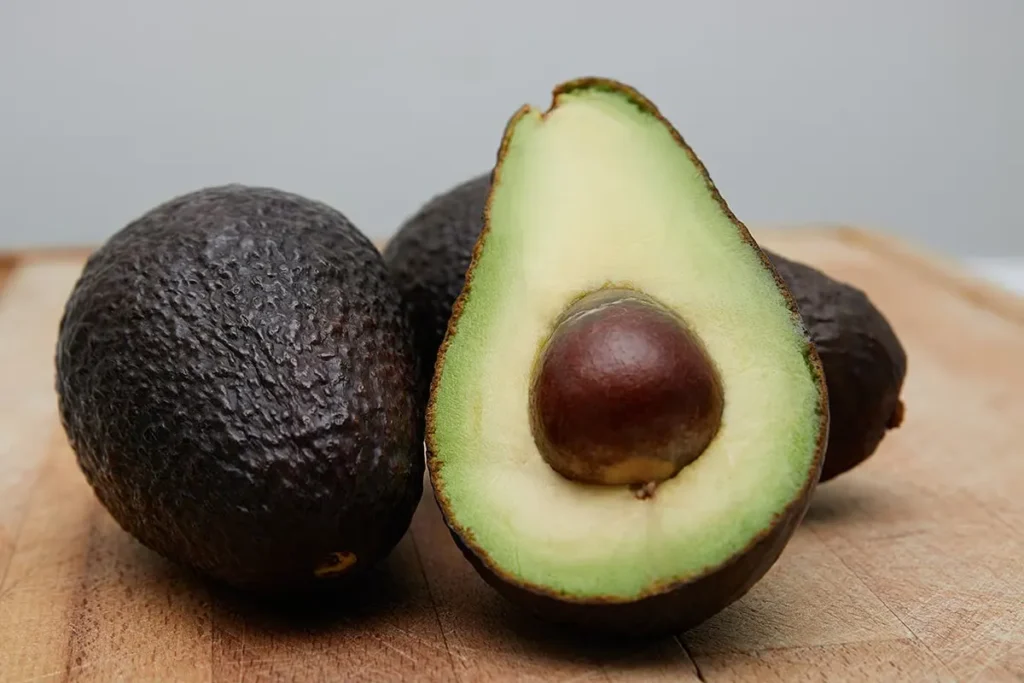
A well-managed cocoa investment may generate annual revenue of about $4,000 to $7,000, with a 35-year revenue potential of roughly $140,000 to $245,000. Cocoa will remain central to Ghana’s economy, but its earnings are still heavily exposed to global commodity prices and limited local value addition.
Oil palm offers stronger industrial use. A commercial oil palm investment may generate about $6,000 to $10,000 annually, with lifetime revenue of about $150,000 to $300,000 over a productive life of 25 to 30 years.
Residential real estate, often regarded as a safe investment, also tells an interesting story. A $100,000 residential property earning about $300 a month would generate about $3,600 a year and roughly $126,000 over 35 years, before maintenance, taxes, repairs and vacancy costs.
Avocado changes the comparison.
A commercial avocado orchard supported by modern production systems could generate annual revenue of about $15,000 to $30,000, with lifetime revenue potential of about $525,000 to $1.05 million over 35 years.
That means avocado could generate several times the long-term cash flow of a comparable rental property, outperform cocoa and oil palm on revenue potential, and still support a wider industrial economy beyond the farm.
The point is not that Ghana should abandon cocoa, oil palm or real estate. Each has a place in wealth creation. The point is that avocado deserves serious national attention because it can combine what many other assets do separately.






-
-
-
-
-
-
-
-
-
-
Show Comments[7271]mn777 Official Login | বিকাশ দিয়ে সেরা অনলাইন ক্যাসিনো বোনাস,mn777 অ্যাপ ডাউনলোড করে বাংলাদেশ থেকে সেরা অনলাইন ক্যাসিনো অভিজ্ঞতা নিন। বিকাশ দিয়ে স্লট গেম খেলুন এবং আকর্ষণীয় বোনাস লুফে নিন। আজই জয়েন করুন। visit: mn777
[2541]Lion8 | Link Alternatif Resmi & Situs Slot Gacor Terpercaya,Lion8 menyediakan link alternatif resmi untuk akses mudah. Nikmati berbagai situs slot gacor hari ini dan judi casino deposit dana. Daftar sekarang juga! visit: lion8
[1381]Jakseltoto | Login Link Alternatif Resmi Situs Slot Gacor Hari Ini,Jakseltoto menyediakan akses login resmi dan link alternatif aman. Daftar casino dengan deposit pulsa mudah untuk menikmati berbagai permainan seru sekarang juga. visit: jakseltoto
Really liking the variety of games here. Everything feels fresh and the customer support is top notch. Give rosohokilogin a try for sure.
The slots here are honestly amazing. I had a great run last night and the graphics are just stunning. For all slot lovers, aurahokislot is the way to go.
The app version is a game changer. I can play wherever I go without any lag. Great job on yesspinapk
Very reliable site with a great layout. I’ve had a few big wins recently and the withdrawal was processed almost instantly. Love jilibet88login.
[2533]Spin Time Login at Apk Download – Legit Gcash Slots Online,Gamitin ang spin time login para sa legit gcash slots online. Alamin din kung paano maglaro ng baccarat at kunin ang best online casino bonuses. Sali na! visit: spin time
[8427]lc 79 লগইন এবং অ্যাপ ডাউনলোড | বিকাশ অনলাইন ক্যাসিনো,lc 79 লগইন করে উপভোগ করুন লাইভ ক্যাসিনো বোনাস অফার। বিকাশ দিয়ে অনলাইন ক্যাসিনো গেম খেলুন এবং সেরা স্লট গেম ট্রিকস জানুন। আজই জয়েন করুন। visit: lc 79
Just what I was looking for. The stability of the app is impressive and everything runs just as it should. Keep it up bdck4444aps